
Shoot for the Library, Not Just the Launch
One shoot day should feed campaigns for years. The difference is what you capture when the hero shot is already in the can.
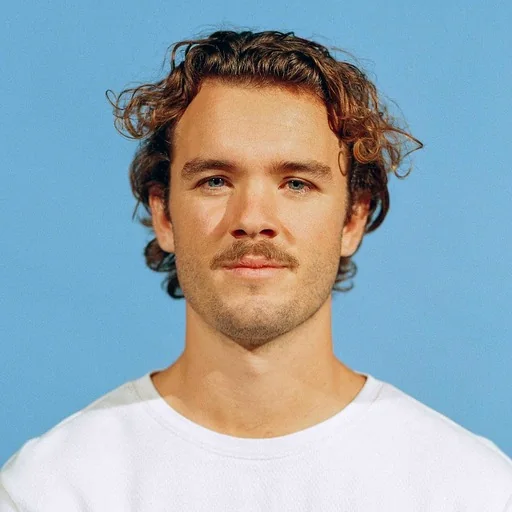

Here is the most expensive habit in content marketing: shooting for one launch. A brand books a day, captures exactly what the campaign brief asks for, cuts the hero spot, and moves on. Six weeks later the next campaign needs new creative, and the whole machine starts again from zero.
The footage from that first day is almost always more valuable than the one spot it produced. The trick is to shoot like you know that.
What “for the library” means on set
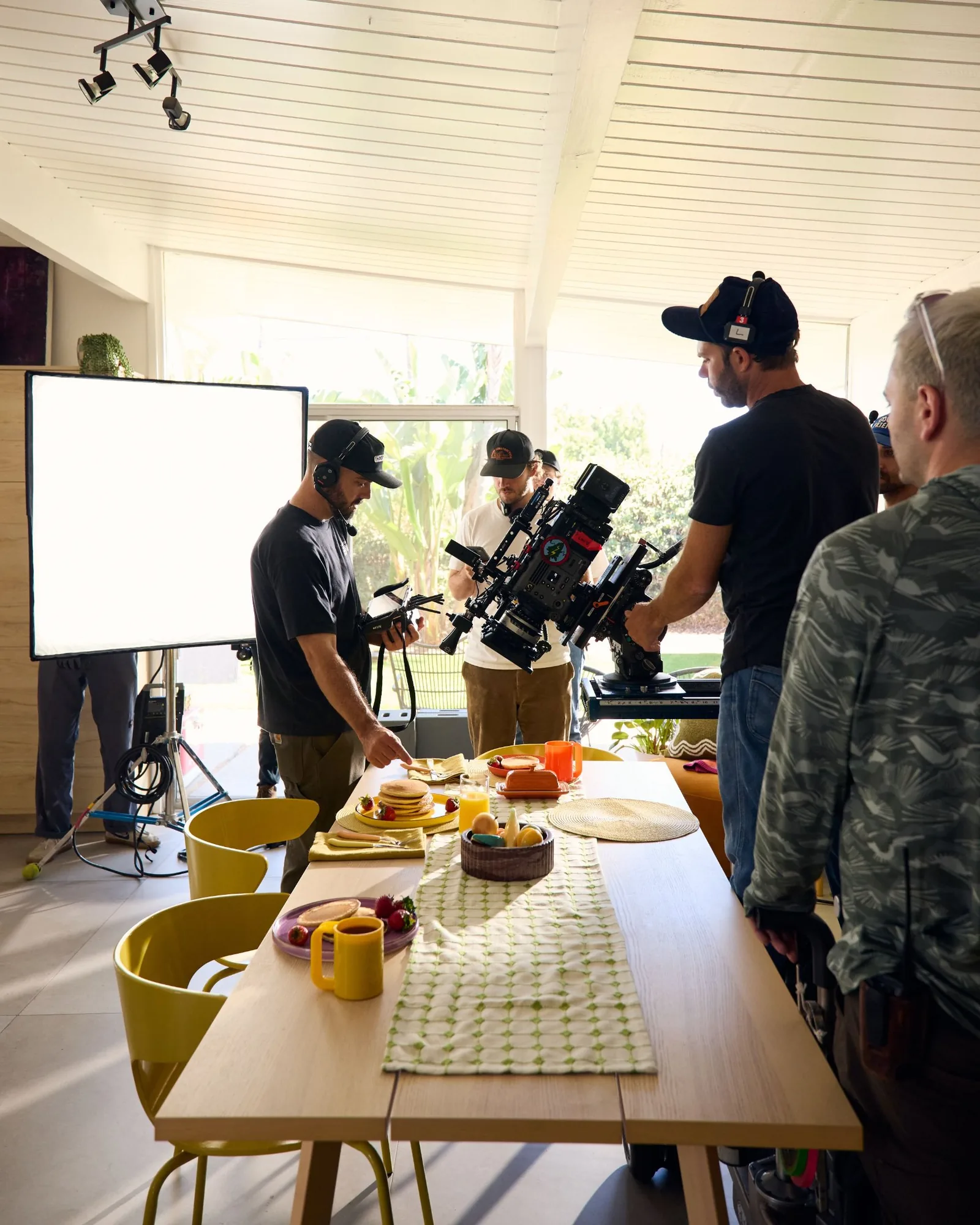
When our Birds plan a shoot, the shot list has two layers. The first is the campaign: the hero shots the brief needs, in the formats it needs them. The second is the library: everything we can capture around those shots while the lights are up and the talent is there.
- Alternate hooks. The first three seconds decide whether anyone watches. We shoot several openings for every concept.
- Clean takes. A product shot with no hands, no talent and no text leaves room for the next campaign’s message.
- Details and textures. Hands on the product, the unboxing, the thing in use. These are the cutaways every future edit will need.
- Framing for every placement. A 16:9 spot and a 9:16 ad are different shots, not a crop. We get both while we are there.
None of this adds a day. Most of it adds minutes. What it adds later is months of edits that never required another production.
Where the footage goes matters as much as what you shoot
A library you cannot search is a hard drive. Active footage at Birdline lives on organized drives with consistent folder structures and clear file names, so an editor can pull a shot from two years ago and cut it alongside last month’s. In the Birdline App, the approved creative stays connected to its campaign and brief, so when a new request comes in, the first move is to look at what already exists.
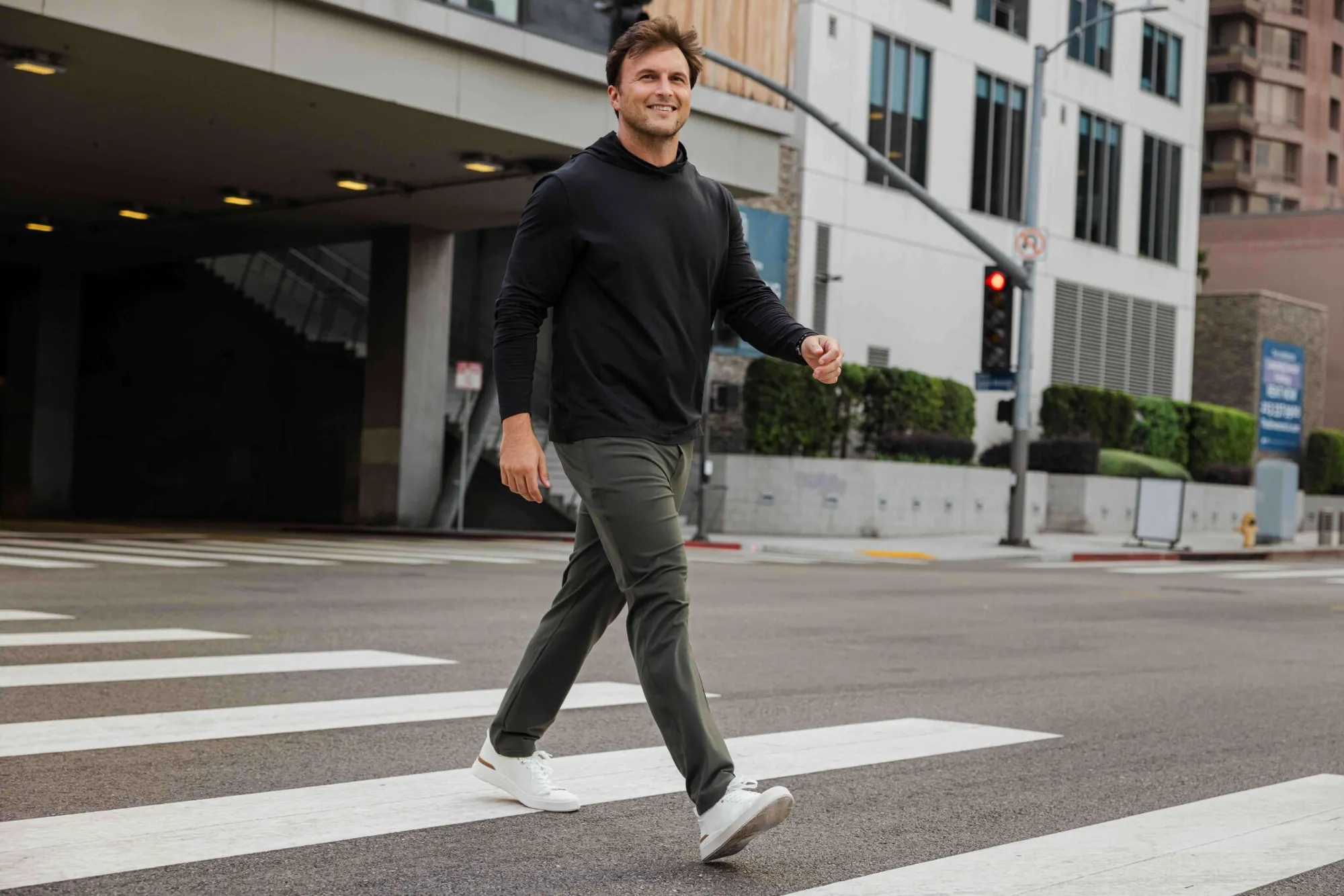
For Gardyn, one photo from an earlier campaign became the first ten seconds of a new ad.
The payoff shows up in the numbers
Shooting for the library is what makes Return on Production Spend climb instead of plateau. The production cost is paid once. Every new cut from the footage adds revenue to the same investment. That is how a $20,000 shoot day ends up behind a year of paid social, a TV spot and a holiday campaign, and why the brands we work with longest shoot less often than you would think.
Before your next production, ask one question of the shot list: what will we wish we had captured six months from now? Then capture it.
Mike founded Birdline because too much content was going to waste and brands did not know what their creative was worth. He writes about production, performance and the workflow between them.
More about BirdlineMore From the Blog.
ROAS Can’t Tell a $5K Shoot From a $100K One.
Media gets measured to the dollar. The production behind it gets a line on an invoice. Two more numbers put them on the same page.
What Is Return on Production Spend?
ROAS tells you what your media did. ROPS tells you what your creative did. Here is how we calculate it, and why it changes what you shoot next.
How to Brief a Creative Team So the First Cut Lands
A good brief is not long. It answers four questions and leaves the rest to the people making the work.
Put the Ideas to Work.
Tell us what is in your pipeline and where your team could use another set of hands.