
How to Brief a Creative Team So the First Cut Lands
A good brief is not long. It answers four questions and leaves the rest to the people making the work.

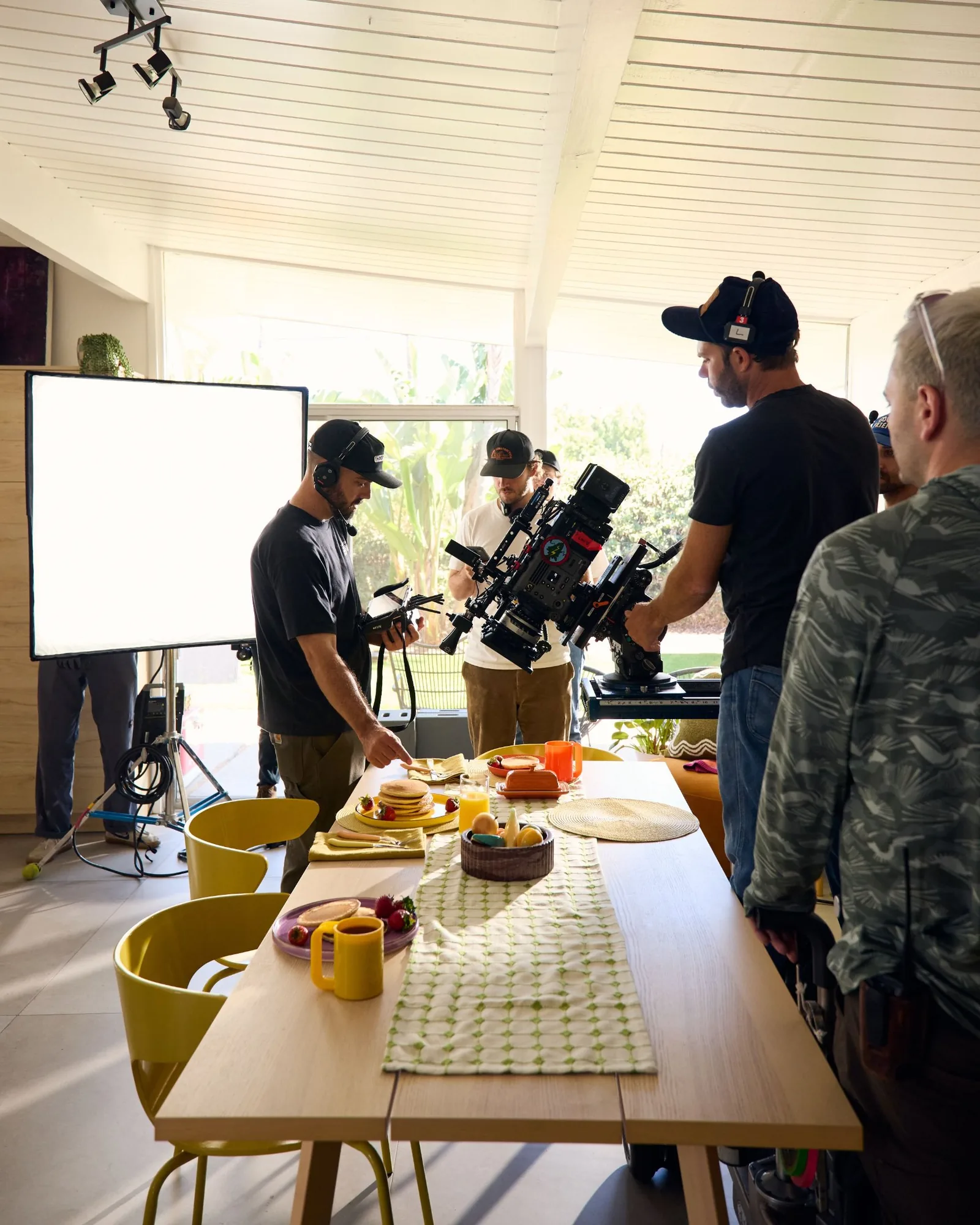
The fastest way to get a great first cut is a brief that tells the team what success looks like and then gets out of the way. The slowest way is a twelve-page document that describes the edit frame by frame and still forgets to say what the ad is for.
The four questions
Every brief we take on at Birdline answers the same four things before anyone opens a timeline.
- The goal. What should this piece make someone do, feel or understand? “Drive trial sign-ups from cold traffic” is a goal. “A video about the product” is not.
- The deliverables. Formats, lengths and placements. Six 9:16 cuts and two 16:9 is a brief; “some social stuff” is a conversation.
- References. Two or three examples of the tone, pace or structure you have in mind, including your own past winners. Say what you like about each.
- The timeline. When it needs to launch, and anything that has to happen first, like a product arriving or a sale going live.
If you already have this in a doc or a deck, send the link. We do not need it re-typed into a form.
Where the brief lives
A brief in someone’s inbox is a brief that gets lost. Ours start in the Birdline App or in the shared Slack channel, and either way they end up in the app, tied to the campaign they belong to. Each project gets its own Slack thread linked to the brief, so the conversation about the work and the record of the work stay in the same place.
The best briefs are short because the goal is clear. The worst are long because it is not.
How to give feedback that moves the cut forward
Drafts go to Frame.io, where you can leave a comment on the exact frame. “Hold the product shot a beat longer at 0:12” takes ten seconds to write and ten seconds to act on. “The middle feels slow” starts a round of guessing.
- Comment on the frame, not in an email.
- Say what the change is for, not just what to change. “Tighten the intro so the offer lands before the swipe” tells the editor what good looks like.
- Collect the team’s notes before sending. Three people’s uncoordinated feedback is three different edits.
- Approve clearly. A thumbs-up in Frame.io is how the file moves from draft to final and into the library.
What happens after approval
Once you approve, the final files go into the Birdline App and we let you know in Slack. Your team can see what is ready to launch and, when the next campaign comes around, find it again without asking anyone where it went. That is the quiet half of a good brief: six months later, the work it produced is still easy to find.
Mike founded Birdline because too much content was going to waste and brands did not know what their creative was worth. He writes about production, performance and the workflow between them.
More about BirdlineMore From the Blog.

Unlimited Deliverables, Explained
What “unlimited” means in a Birdline partnership, how the queue works, and what it does not cover.
Inside a Birdline Kickoff
The first week of a partnership, and why we spend it learning how you work before we make anything.

ROAS Can’t Tell a $5K Shoot From a $100K One.
Media gets measured to the dollar. The production behind it gets a line on an invoice. Two more numbers put them on the same page.

Put the Ideas to Work.
Tell us what is in your pipeline and where your team could use another set of hands.